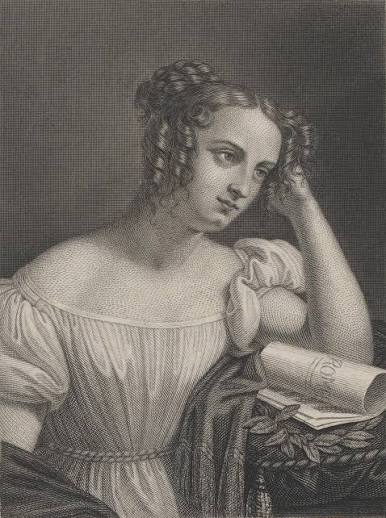
 Wilhelmine Schröder-Devrient (December 6, 1804 – January 26, 1860) was a legendary German dramatic soprano who profoundly influenced the trajectory of 19th-century opera.
Queer Places:
Trinitatis Cemetery, Fiedlerstraße 1, 01307 Dresden-Altstadt, Germany
Wilhelmine Schröder-Devrient (December 6, 1804 – January 26, 1860) was a legendary German dramatic soprano who profoundly influenced the trajectory of 19th-century opera.
Born in Hamburg to a theatrical family, she received early training from her parents, Friedrich Schröder and Sophie Schröder, a renowned tragic actress.
She made her debut in 1821 and achieved international fame with her performance as Leonore in Beethoven’s Fidelio (1822). Her ability to infuse roles with intense emotional power and realistic acting transformed the standard for operatic performance.
Richard Wagner considered her an artistic muse, and she created leading roles in his operas, including Adriano in Rienzi, Senta in The Flying Dutchman, and Venus in Tannhäuser. Wagner famously credited her with awakening his vocation as a composer.
Known for her tumultuous personal life and multiple marriages, she retired from the stage in 1847 and spent her final years in Coburg, where she maintained close intellectual circles with other artists and writers.
Michel Larivière’s Dictionnaire historique des homosexuel.le.s célèbres (2017) includes figures based on historical evidence of same-sex attraction, gender non-conformity, or participation in queer subcultures.
Schröder-Devrient is included in such collections primarily due to the following factors:
She was famous for her mastery of "trouser roles" (playing male characters on stage, such as Romeo in Bellini’s I Capuleti e i Montecchi). In the historiography of the 19th century, female performers who specialized in male roles and lived unconventional lives were often the subject of intense fascination regarding their gender expression and sexual orientation.
Her life was defined by close, intense intellectual and emotional bonds with other women—most notably her deep, documented admiration for Clara Schumann and her later close companionship with the writer Claire von Glümer and her partner Auguste Scheibe. Claire von Glümer and Auguste Scheibe were partners and housemates. In the final years of the singer Wilhelmine Schröder-Devrient's life, she formed a close friendship with the two women, as the trio shared a common history rooted in their involvement in the Dresden Uprising and its aftermath.
Like others in Larivière’s dictionary, her life was characterized by a consistent rejection of the rigid bourgeois morality of her era. Historical researchers often interpret her "tempestuous" personal life, her professional independence, and her intimate bonds with other women as markers of an existence lived outside heteronormative societal expectations, aligning her with the broader history of queer non-conformity.
References:
 Dictionnaire historique des homosexuel.le.s célèbres - French Edition by Michel Larivière |
Other references:
Support this project
This website is a passion project researched, developed, and funded entirely by me. If you find the content valuable and would like to help support the ongoing research and hosting costs, any contribution is deeply appreciated.
Thank you for keeping this independent resource alive!
My books on Amazon: Elisa Rolle's books